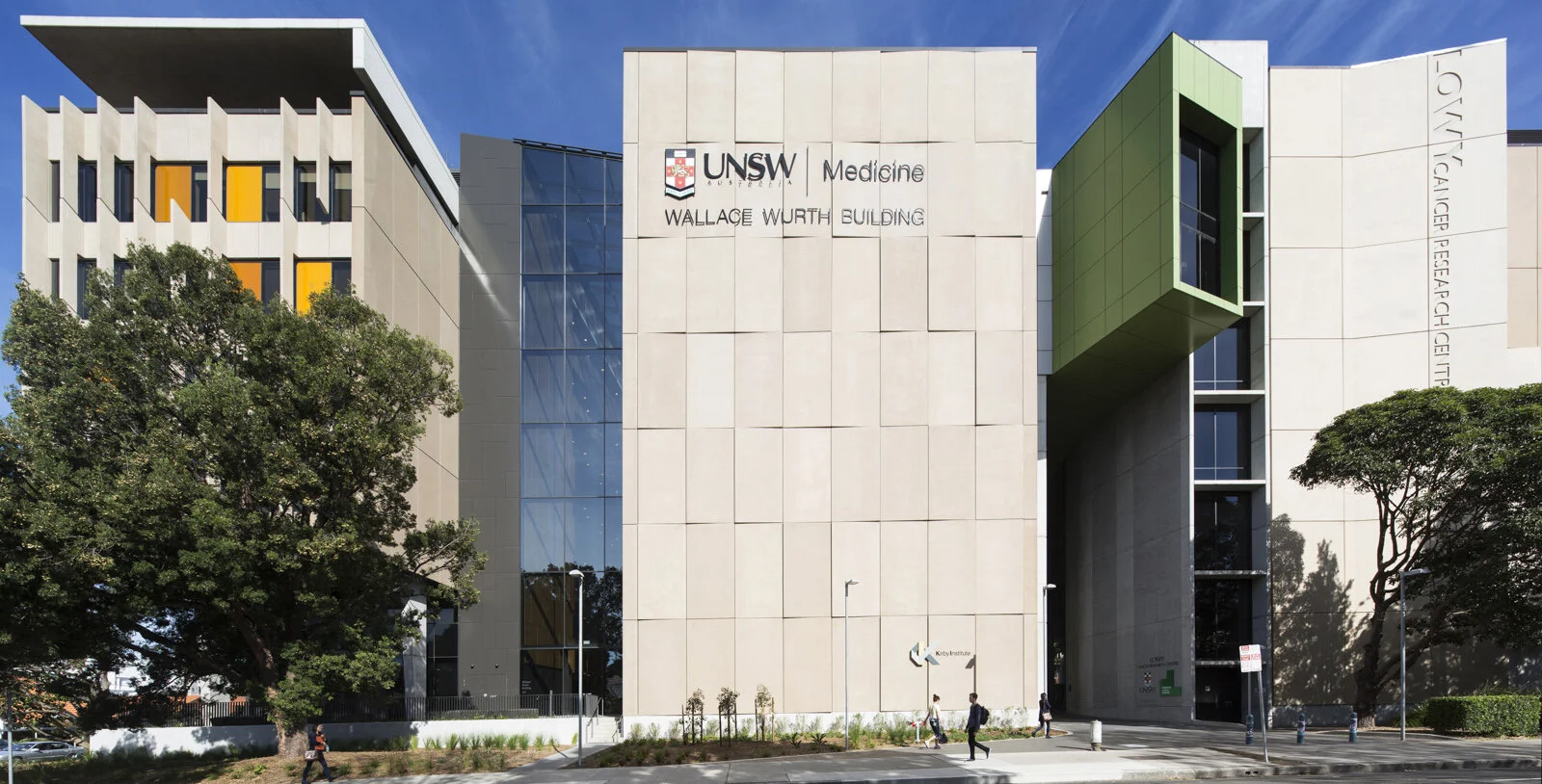
Unlike most Australian universities that use MMI, the UNSW Medicine interview format is a semi-structured panel interview. This means instead of rotating through multiple stations, you'll sit down for a single, in-depth conversation with two interviewers for approximately 30-40 minutes. This unique format requires a different preparation strategy. One that focuses on building rapport and demonstrating your authentic self through meaningful dialogue.
What is the UNSW Medicine Interview Format?
The UNSW Medicine interview is designed to assess your suitability for a career in medicine through a conversational, semi-structured panel format. Here's what you need to know:
The 2-Person Panel
Your interview panel consists of two members: an Academic interviewer (typically a UNSW Medicine faculty member or clinician) and a Community member (someone from outside the medical field). This combination ensures you're evaluated from both clinical and societal perspectives.
Timing: 30-40 Minutes
Unlike MMI stations that typically run 5-8 minutes each, the UNSW panel interview lasts approximately 30-40 minutes. This extended timeframe allows for deeper exploration of your motivations, experiences, and thinking processes, but can feel daunting without breaks.
The Setting: Conversation vs. Station-Based
The interview takes place in either the optometry building or Prince of Wales hospital. Rather than moving between stations, you'll be seated in a small room for the entire duration.
Panel vs. MMI: What's the Difference?
Understanding how UNSW's panel format differs from MMI is crucial for tailoring your preparation:
| Aspect | UNSW Panel | MMI |
|---|---|---|
| Duration | 30-40 minutes (single session) | 5-8 minutes per station |
| Format | Conversational, flowing | Structured, scenario-based |
| Interviewers | Same 2 people throughout | Different at each station |
| Follow-up Questions | Common and expected | Limited or none |
The panel format rewards students who can build genuine rapport, think on their feet, and engage in authentic dialogue. Your preparation should focus on developing conversational skills rather than memorizing scripted responses.
Key Selection Criteria (What They Grade You On)
UNSW assesses candidates against specific selection criteria. Understanding these will help you frame your responses effectively:
Motivation for Medicine
Why do you want to become a doctor? The panel wants to see genuine, well-considered motivation, not just "I want to help people." Reflect deeply on your experiences and articulate specific moments that confirmed your calling.
Empathy and Communication
As a future doctor, you'll need to connect with patients from all walks of life. The panel assesses your ability to understand others' perspectives, communicate complex ideas clearly, and demonstrate emotional intelligence.
The "Why UNSW?" Question
This is almost guaranteed to come up. The panel wants to know you've done your research. Key talking points include:
- Phase 1/2/3 Curriculum: UNSW's unique integrated curriculum that combines clinical exposure from Year 1
- Research Opportunities: Access to world-class research facilities and mandatory research components
- Hospital Network: Training across multiple major teaching hospitals in NSW
Common UNSW Interview Questions
While the semi-structured format means questions can vary, certain themes consistently appear:
"Tell us about yourself."
The classic opener: use it to set the tone and highlight key experiences.
"Why do you want to study Medicine?"
Go beyond surface-level answers. Connect to specific experiences and reflections.
"Tell us about a challenge you've overcome."
Demonstrate resilience, self-awareness, and growth mindset.
"What qualities make a good doctor?"
Show you understand the realities of medical practice, not just idealistic views.
The key to excelling is not memorizing answers, but developing the ability to think critically and communicate authentically. This is where mock interview preparation becomes invaluable, practicing with current UNSW medical students who've been through the exact same process.